Residential assisted living · Arizona & California
Assisted living in a home worth living in
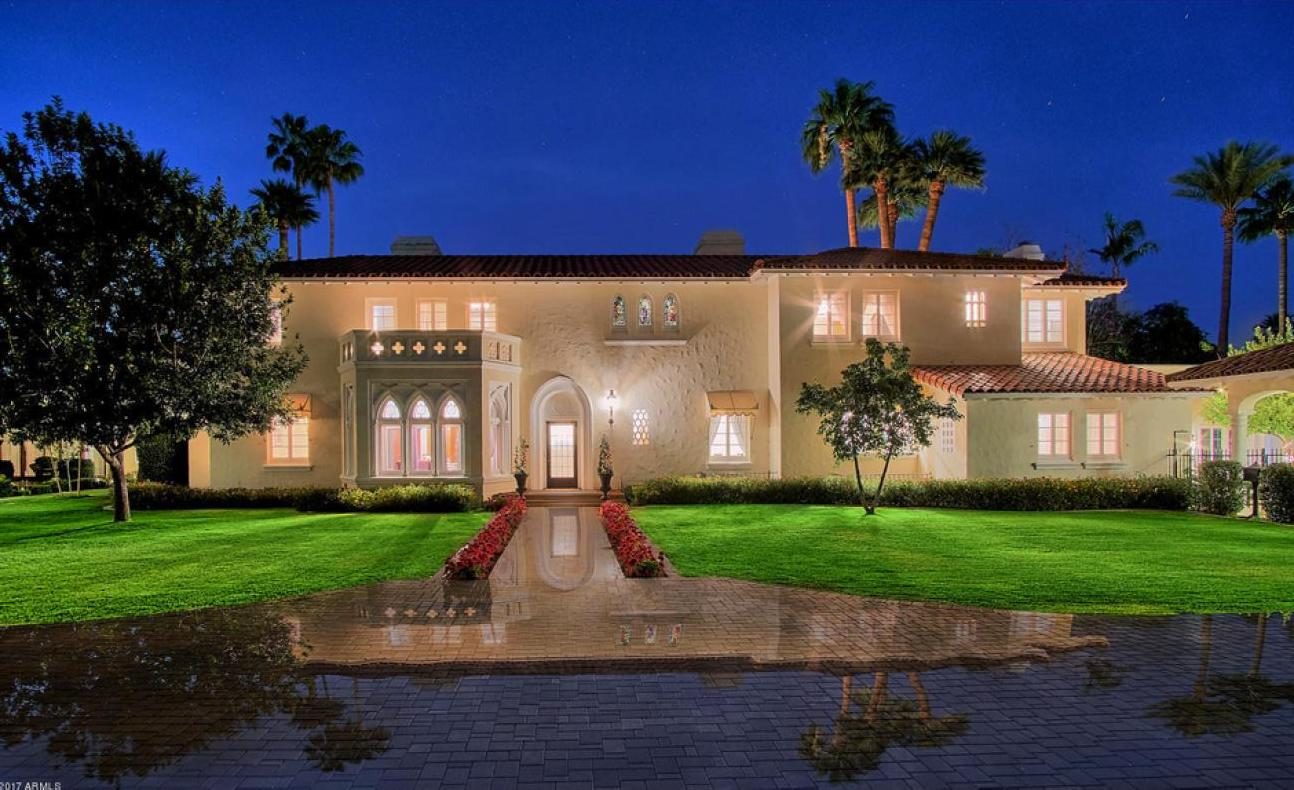
We acquire fine residential properties, refit them as licensed group homes, and give a small number of residents white-glove care in a familiar neighborhood.
Why group homes
Small homes, not institutions
Many seniors put off decisions about long-term care because the options are poor. They have heard the stories about large assisted-living complexes, where residents can feel like a number in an antiseptic setting.
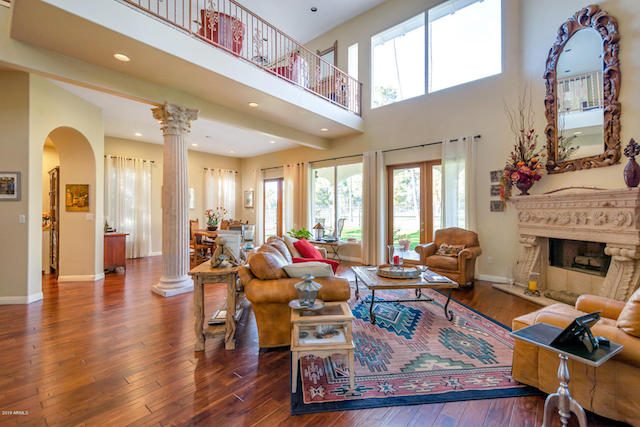
A group home is a real house in a real neighborhood, caring for around ten residents. People keep their routines, families visit more often, and nobody is moved far from the streets they know.
“The elderly deserve and want a better alternative in their golden years. We believe the industry needs a higher-end group home, and we’re prepared to deliver on that promise.”
Three kinds of home
One approach, three resident communities
Every property is acquired, refurbished to meet group home regulations and guidelines, and upgraded beyond the minimum.
Luxury
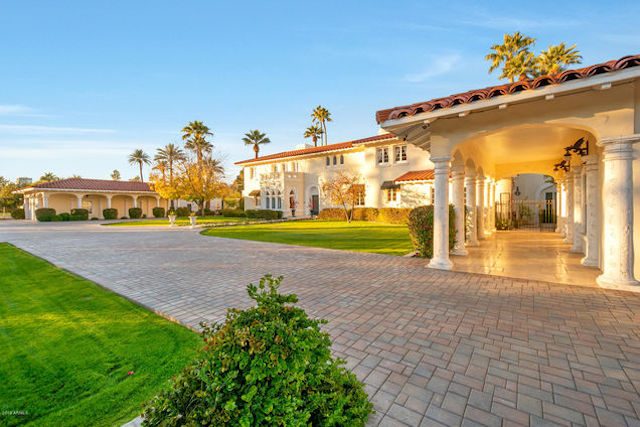
Historic estates with white-glove care
Starting with a 9,300 sq ft 1929 mansion in Phoenix, converted for ten residents.
View the mansion →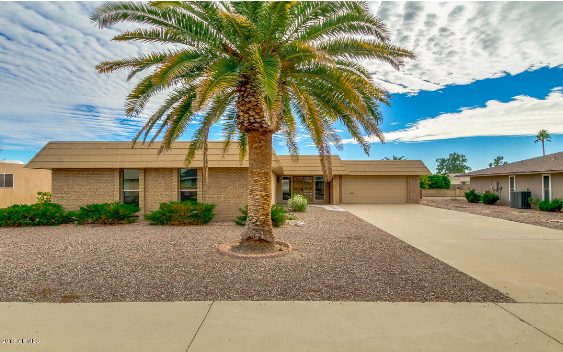
Boutique
Comfortable homes in established neighborhoods
State-of-the-art group homes in Arizona and California, refitted for residents and families.
View boutique homes →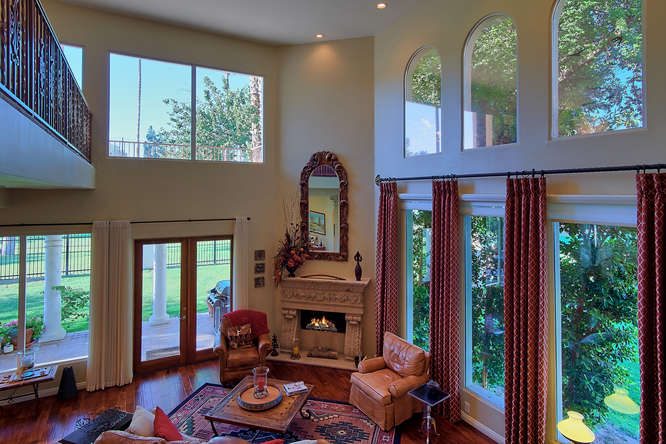
Memory Care
CottonWood Village memory care
A secure garden court within a planned cottage village in Cottonwood, Arizona, built for residents living with dementia.
About memory care →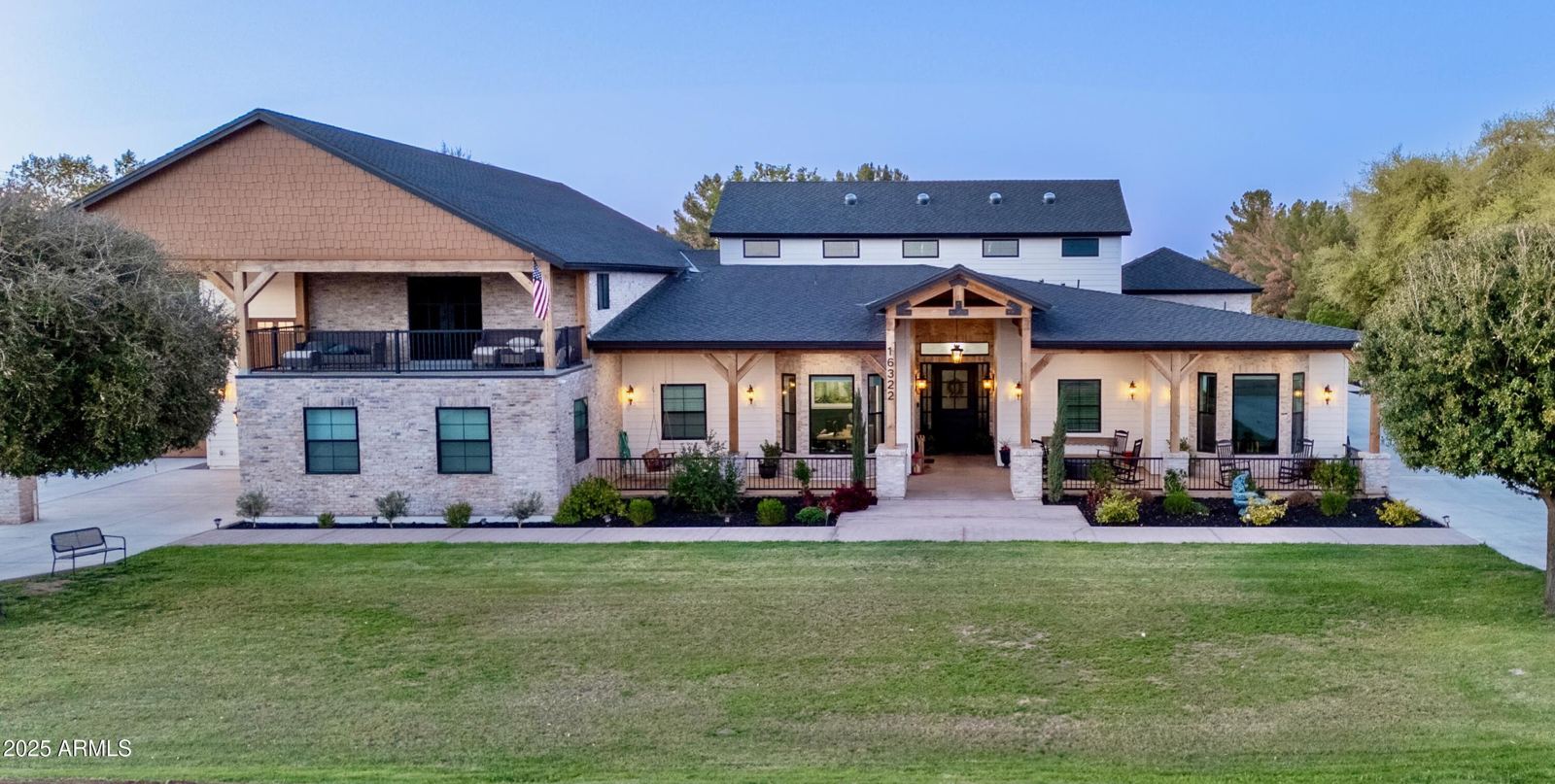
Coming soon Gilbert, Arizona
The Gilbert Luxury Group Home
An East Valley estate with a detached casita, being converted into eight private en-suite suites for up to ten residents, with an executive chef and care around the clock.
The demand
The need is growing every day
Peter in the media
The Observer Aging in Place Podcast Market note: the $1B bet on luxury senior livingFor investors
A financing model built for busy professionals
Our lenders fund up to 90% LTV of the real estate portion of an acquisition, which lowers the barrier to entry. Many of our partners are physicians, the investors Peter calls “DocVestors,” who have strong incomes but little time to manage property.
Select the home
Our builder and developer identifies a single-family residence suited to conversion into a licensed group home.
Secure the property
We place hard-money financing of around 70% of the purchase price. The investor is named on the property LLC with our lender.
Plan the refit
Plans are drawn and every cost is tallied: renovation, licensing, and carrying the property until it is open.
Fund the balance
The investor is pre-qualified by our lender for unsecured capital at preferential rates, covering the 30% balance plus build-out and carrying costs.
Refinance at the new value
Once completed, licensed and reappraised (often 50% or more above purchase), a lender with a dedicated physician program refinances at up to 80 to 90% LTV. That pays off the hard money and returns the investor's capital, while the investor keeps equity in the real estate and the operation.
The team
Operators, clinicians and advisors

Founder
Peter J. Burns III
Serial entrepreneur who has started, run, sold or expanded more than 150 companies.

Chief Medical Officer
Dr. Cliff Janke
Emergency physician for nearly 20 years and an active group home investor in Phoenix and Tucson.
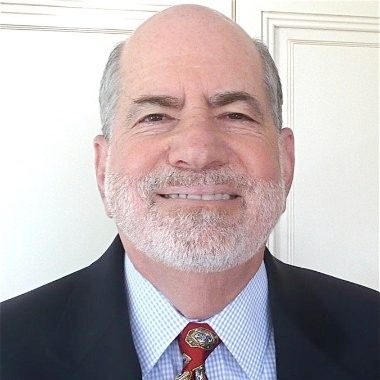
Cost Segregation
Joel Grushkin
Forty years of executive experience, directing cost segregation studies on up to $500 million of senior living property.
Want to know how you can get involved?
Talk to Peter and the team about current properties, how the financing works, and where you fit.